

Top 15 coaches in Portland, 2023

Award-winning leadership coach for high performers who carry the most.
If you are the one everyone leans on, this is your space to breathe, refocus and lead without burning out.
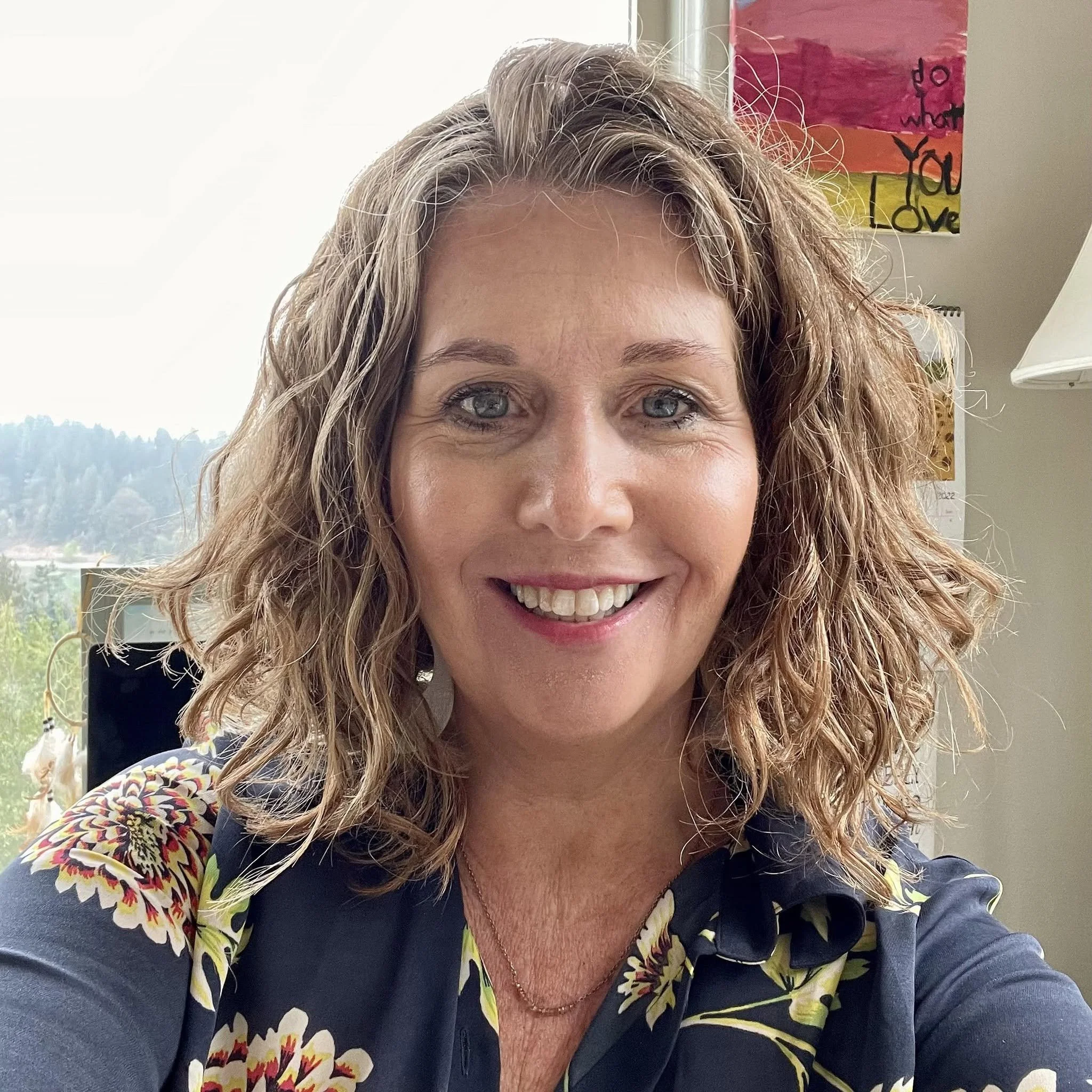
Hi, I'm Lynell Shattls
I Coach “Daimond Leaders”
You know the type, maybe because you are one. The person who delivers, keeps the team together and gets called first when things get hard. Diamond leaders shine under pressure, and they are often the first to quietly burn out.
I spent more than 30 years in accounting and global HR leadership before I became a coach, so I have been in that seat. Now I help leaders get their energy, focus and confidence back, without giving up what they are known for.
I have coached leaders at more than 60 companies, including:
Uber ◆ Paypal ◆ Willis Towers Watson ◆ Lockhead Martin ◆ Vituity ◆ Johnson & Johnson ◆ Hershey’s ◆ CNN ◆ U.S. Department of Homeland Security ◆ St. Jude Children’s Research Hospital
◆
Uber ◆ Paypal ◆ Willis Towers Watson ◆ Lockhead Martin ◆ Vituity ◆ Johnson & Johnson ◆ Hershey’s ◆ CNN ◆ U.S. Department of Homeland Security ◆ St. Jude Children’s Research Hospital ◆
In Their Words
“Lynell is a winning combination of technical ability and emotional intelligence.”
- Chad M., Human, Resources Executive“Lynell sees between the lines, asks thought provoking questions, creates space for self reflection and accountability.”
- Jill L., Community Health Educator“It helped me to think and talk things through with an outside observer which was really helpful.”
- Anne P., Independent ConsultantThree ways to work together

Speaking. Talks for offsites, retreats and member events on influence at work and finding your voice.
Step 3

Teams and groups. Workshops and group coaching for teams, plus Thriving Leaders Connection, a community for HR leaders.
Step 11:1 coaching. Six months together, starting with your Energy Leadership Index and debrief, then twelve online sessions at your pace.
Step 2Frequently Asked Questions
-
These are the ICF Core Values
Professionalism
We commit to a coaching mindset and professional quality that encompasses responsibility, respect, integrity, competence and excellence.
Collaboration
We commit to develop social connection and community building.
Humanity
We commit to being humane, kind, compassionate and respectful toward others.
Equity
We commit to use a coaching mindset to explore and understand the needs of others so we can practice equitable processes at all times that create equality for all.
-
The ELI is Your New Favorite Assessment (Understand why you are the way you are!) You’ve probably taken personality tests like Myers Briggs, DiSC, and Enneagram, trying to better understand yourself and others. And you’ve probably learned a lot from them! What I have to offer is different (and transformational!) And it all boils down to one word—energy. The Energy Leadership™ Index (ELI) assessment is the proprietary, research-backed attitudinal assessment tool, created by iPEC, that takes something abstract—the way you experience the world—and turns it into a tangible metric.
The ELI is an assessment to awaken your potential and reshape your world.
Your reality is a mirror reflecting your level of awareness—your thoughts, feelings, and emotions about yourself, others, and the world. Some aspects of your awareness or consciousness serve you, while others hold you back from fulfilling your potential. And understandably so (we’re human!) With the research-backed ELI assessment, you’ll experience profound and practical insights you can use to reshape your worldview and transform your life into the ideal one you envision.
Step 1: The assessment
As your Energy Leadership™ Index Master Practitioner (ELI-MP), I’ll connect you with the simple online assessment which takes about 20 minutes to complete.
Step 2: The debrief
Once the results are in, I’ll guide you through a 1:1 ELI debrief session. During this personalized session, we’ll dive deep into your results and uncover a clear path to awakening your potential—and creating a life in alignment with your work and life goals. Understandably, when you take an assessment or quiz, you want to be able to utilize the results in your life. Imagine having an expert guide you through this new information!
As an iPEC certified ELI-MP, I’ll debrief your personalized assessment results so you can ask all your questions, and I can provide you with valuable insights for how to take what you’ve learned and actually apply it to your relationships, career, and all areas of your life.
What is that life you envision, and what if this is that one step to get you closer to it?
-
Coaching as defined by the ICF is a partnership with clients in a thought-provoking and creative process that inspires them to maximize their personal and professional potential. A coach facilitates learning and results by creating awareness, designing actions, planning and goal setting and managing progress and accountability.
The main difference between coaching and therapy are the focus and purpose.
Coaching focuses on visioning, success, the present, solutions and moving into the future—in short going from good to great! Therapy focuses on the emotions, problems and exploring the past in order to understand the present. The therapist usually helps the client heal by figuring out “why”.
Coaching purposes include performance improvement, learning or development in some area of life. The coach helps the client move forward by focusing on “how.” Therapy often dives into deep-seated emotional issues to work on personal healing or trauma recovery. Therapists help clients fix problems, develop skills for managing emotions or past issues, overcome issues, and sometimes manage mental illness.
-
Mentors are a role model who has “been there and done that” and will “show you the ropes” but coaches do not use their personal experiences as a model of success for the client. The client is the expert on their own life. The coach is the expert in the coaching process and helps the client even without first-hand knowledge of what the client has experienced.
-
Consultants have an agenda and some possible answers and bring that agenda and those answers to the client. Coaches, on the other hand, have no agenda except to help clients get what they want. Although coaches have specializations in certain fields, their true expertise is in the coaching process. The main difference is that consultants promote themselves as experts in certain aspects of life, and coaches accept that clients are the experts and have within them the answer to any situation they may face. However, there will be times when a coach acts like a consultant, offering new ideas from his or her intuition, knowledge, and experience. Unlike the consulting relationship, the coach stays with and “partners” with the client to help implement a plan they both develop. Coaches not only help bring about effective change; they do whatever they can to help clients do what they say they will do.
-
Are you feeling stuck, unsure or blocked from getting out of your current stage of life? Have you tried other ways of solving things and keep beating your head against the wall? Then you might be ready to ask for some help.
-
I adhere to the International Coaching Federation Code of Ethics. Information shared in our work together remains confidential except in circumstances like where reporting is required, (e.g., illegal activity, if required by law, pursuant to a valid court order or subpoena; imminent or likely risk of danger to self or to others; etc.). Where I reasonably believe one of the above circumstances is applicable, I may need to inform appropriate authorities.
From the blog

Ready to lead without running on empty?
Let’s talk about where you are and where you want to go. No pressure, just a conversation.